Where Do Stem Cells Come From?
These stem cells are taken from embryos that are 3-5 days old. An embryo is a cell that forms when a woman's egg cell is fertilized by a man's sperm.
Where Do Stem Cells Come From?
Treatment using stem cells is a breakthrough that has the potential to cure various serious diseases, such as chronic diseases, degenerative diseases and autoimmune diseases. Based on the source of cell origin, stem cells are categorized into several types:
1. Embryonic Stem Cells
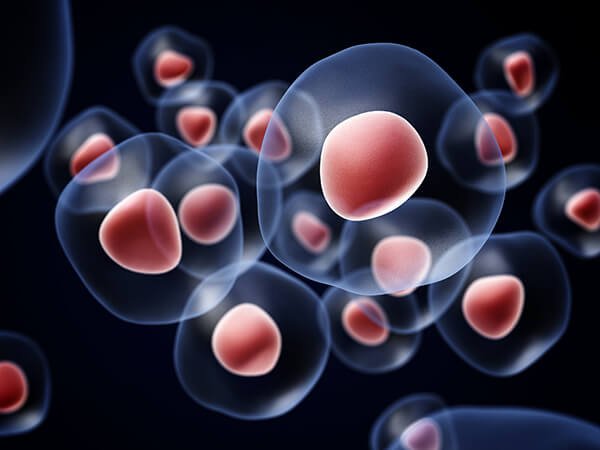
These stem cells are taken from embryos that are 3-5 days old. An embryo is a cell that forms when a woman's egg cell is fertilized by a man's sperm. These embryonic cells are pluripotent, which means they are able to reproduce or develop into any type of cell in the body. This allows embryonic stem cells to be used to repair damaged tissue or organs. Since these cells are extracted directly from human embryos developed under a microscope, this is still considered unethical. Therefore, embryonic stem cells can only be used if the embryo is a donation from a donor.
2. Adult Stem Cells
This type of stem cell is found in adult body tissues, such as bone marrow. Compared to embryonic stem cells , adult stem cells have a more limited ability to develop into various types of cells in the body. The researchers discovered that adult stem cells can only be developed into the same type of cell they originated from. For example, stem cells taken from bone marrow can only produce blood cells. However, several recent studies show that stem cells from bone marrow can also help form bone cells or heart muscle cells. However, this still needs further research.
3. Ordinary Adult Cells Modified into Embryonic Stem Cells
Researchers succeeded in changing ordinary adult cells into stem cells through genetic reprogramming technology . These adult cells are reprogrammed to have the same properties as embryonic stem cells. This new technique allows the use of stem cells from the body's own thereby preventing immune rejection reactions. However, the side effects of this method are still unclear.
4. Perinatal Stem Cells
Researchers discovered that stem cells contained in amniotic fluid and the umbilical cord also have the ability to develop into various types of cells. You may have heard the term stem cell therapy or stem cells. Stem cell therapy is considered the most promising treatment procedure in the world of medicine today. This therapy is believed to be able to overcome various diseases that are difficult to cure. Stem cells are stem cells that have the ability to reproduce and change into various types of cells. Stem cells are the only cells in the blood that are capable of regenerating new cell types.